Beyond the Eye of the Storm: The Impact of Repeated Hurricane Closures on Mental Health
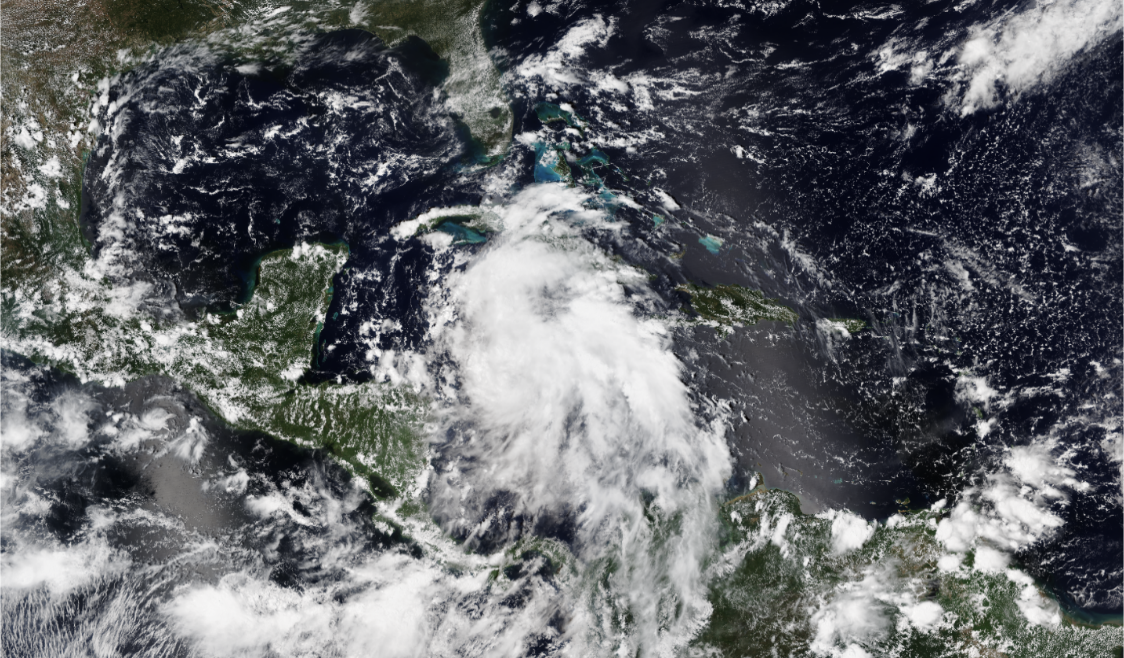
Figure 1 Satellite image of Hurricane Ian approaching the southwest coast of Florida on Sept. 28, 2022. Credit: NOAA.
Students face increased mental health risk while dealing with the challenges of a hurricane.
Whether it's stocking up on food supplies or weather-proofing their home, Florida’s residents are no strangers to preparing for hurricanes.
Over the past six years, Florida has endured five major hurricanes of Category 3 strength or higher, including Hurricane Ian in 2022, which caused at least 156 fatalities and $112.9 billion in total damage, and Hurricane Helene, which resulted in at least 250 fatalities and $78.7 billion in total damage in 2024.
On top of the physical damage, hurricanes can take an emotional toll, leaving people to rebuild their sense of control, stability and safety. The disruption can be particularly challenging for students whose schools close just at the start of a new year.
This issue is likely to be exacerbated, as NASA climate scientists predict that in the years ahead, hurricanes will become more intense overall, with higher wind speeds and heavier precipitation fueled by rising global temperatures.
School is more than a place to learn; it’s an environment that fosters social and emotional development while providing nourishment, health care, and other critical resources. When the stability of attending school is replaced with the stress of experiencing a hurricane, students become more prone to mental health risks, which researchers claim can affect their overall performance.
Out of school: The destruction of stability
Figure 2 An empty classroom. Credit: Jonae Powell.
When a hurricane rips through a community, it doesn’t just destroy infrastructure; it also disturbs the emotional anchor and schedule that students can be accustomed to while attending school.
Micky Vassell, a student studying at Tallahassee State College in 2024 when Hurricane Helene tore through the area, explained feeling powerless since she had to split her attention between buying supplies, keeping up with assignments and worrying about the community’s safety.
“When school closed, I couldn’t focus on school because my mind was consumed with how unprepared I was for the hurricane. I felt anxious that my bedroom was going to flood,” said Vassell. “When I had to return to classes, I felt unfocused and unmotivated because I was worried about the hurricane’s impact.”
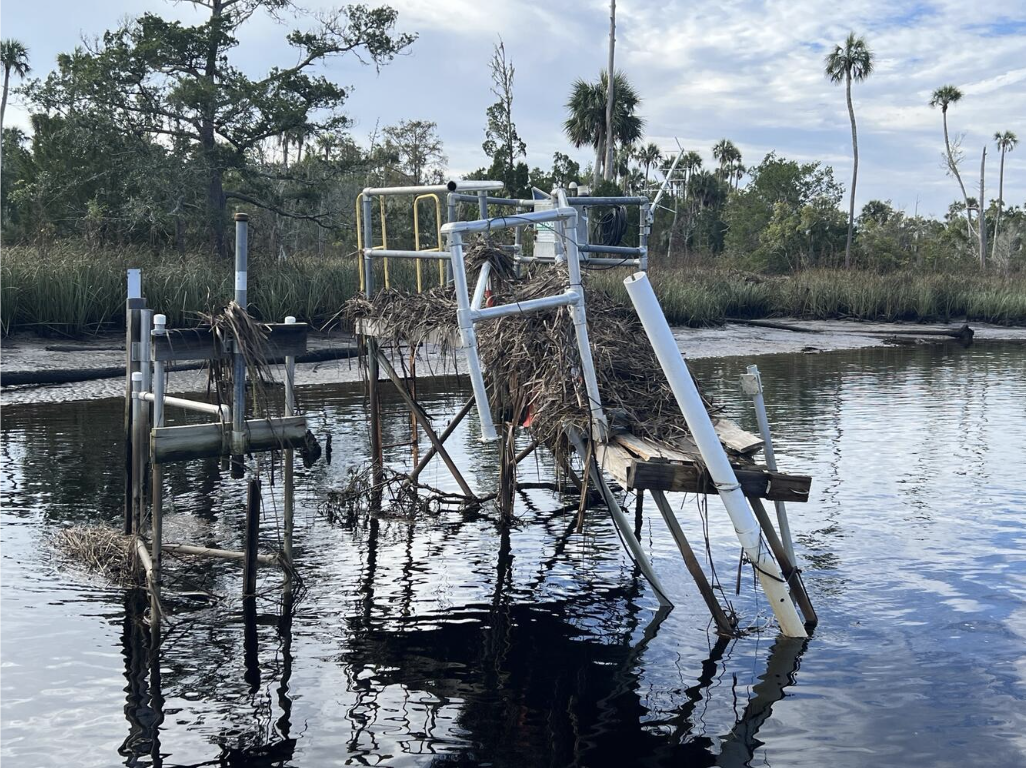
Figure 3 A streamgage damaged by Hurricane Helene on the Waccasassa River in Florida in 2024. Credit: USGS
Vassell’s experience isn’t unique, according to Alison Holman, a professor of nursing at the University of California who researches the effects of emotional distress on overall health. A person’s emotional challenges with a hurricane can start as soon as they hear a hurricane announcement in the media, she emphasized.
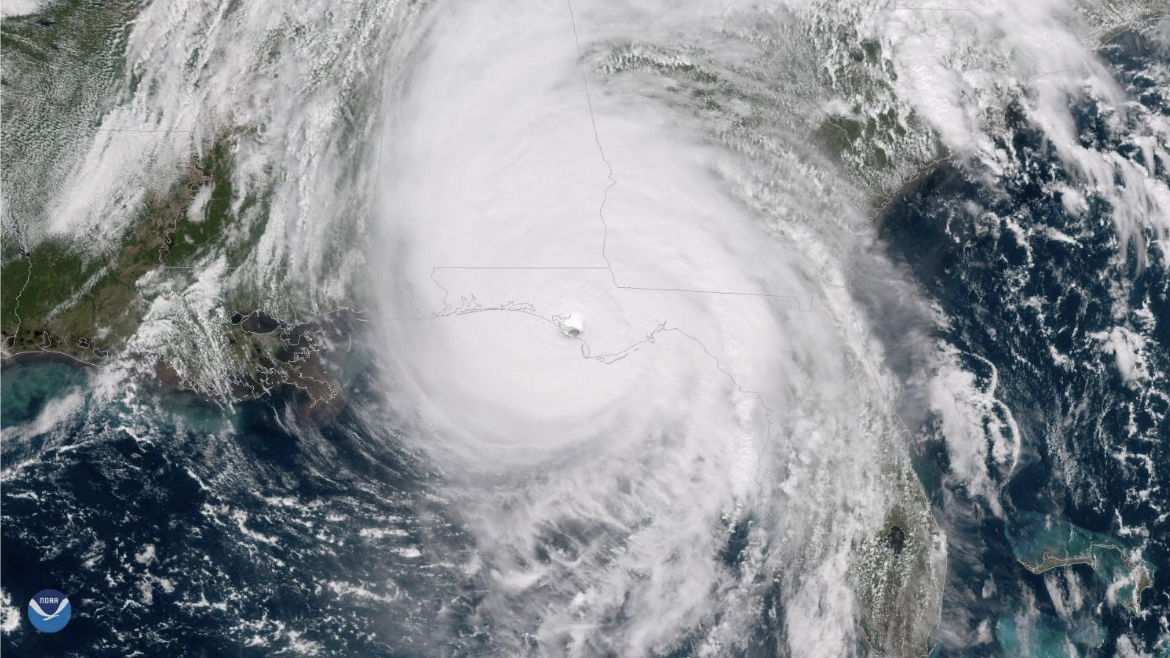
Figure 4 Hurricane Michael made landfall along the Florida Panhandle on Oct. 10, 2018. Credit: NOAA
A study conducted after hurricanes Irma and Michael by Holman and her colleagues found that Florida residents who encountered repeated direct, indirect, and media hurricane exposures showed a significant increase in post-traumatic stress, anxiety, and general stress. These symptoms were observed both one month after the hurricane and again a year later.
“After Hurricane Irma in 2017, words such as ‘evacuate’ and ‘hit the road’ played a significant role in getting people worried and freaked out,” said Holman.
Hearing this language through media coverage can amplify stress and according to the study, individuals with pre-existing mental health conditions were significantly more likely to experience higher levels of post-traumatic symptoms and functional impairment after the hurricanes.
The emotional debris
Experiencing any traumatic event can trigger immediate serious mental health issues. The mental health consequences of a hurricane may not be apparent right away, but can manifest over time in a person’s daily life, explained Eamin Heanoy, a psychologist at the University of Alberta who focuses on natural disasters.
A narrative review by Heanoy and a colleague assessing the initial and subsequent mental health effects of people who experienced a natural disaster found that while some people recovered after the immediate effects, some experienced long-term mental health consequences such as anxiety and depression due to displacement, financial loss and social disruptions.
“All aspects of daily life are affected: academics, health and routines,” Heanoy said. “The longer students are out of school, the more their mental health is impacted.”
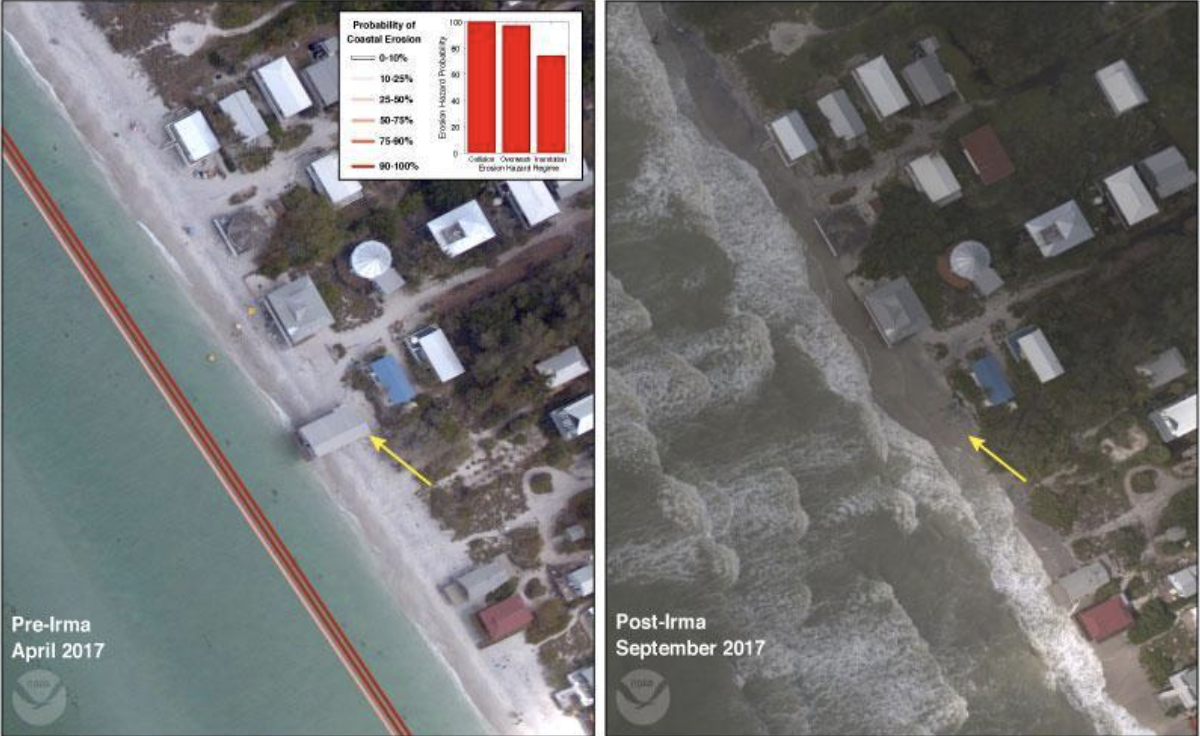
Figure 5 Before and after: Coastal change after Hurricane Irma. Credit: USGS
Students of all ages who rely on socializing with peers and teachers may find it challenging to cope with the sudden demands of a hurricane without the familiar social structure that school provides.
Breana Alcindor, a student at Florida State University, still remembers how alone she felt as a sixth grader when Hurricane Irma hit the state in 2017.
“I was at home with no light or stove available, which annoyed me because I couldn’t talk to my friends since I had to worry about conserving my phone battery,” she said. “Since I am an only child, I felt isolated and missed my school routine and talking to my friends during lunch time.”
As global warming continues to be an issue, ongoing mental health challenges remain a persistent concern. A NASA study showed that the frequency of unpredictable and dangerous hurricanes could increase by as much as 60% by 2100 if ocean temperatures continue to rise.
What’s next after the storm has passed?
After a hurricane, people focus on assessing damage, rebuilding structures, checking on loved ones, and remaining informed about recovery efforts. While these are all critical actions to take after a storm, mental well-being shouldn’t be neglected, Heanoy emphasized. A combination of community recovery, social interactions and disaster programs are essential to rebuilding both.
Families, workers and students need opportunities to process and talk about their experiences and have a sense of community before they can return to school, explained Donna Sicilian, the executive director of student services at Pinellas County Schools in Florida. She has experience working with students, school staff, and the local community after a hurricane, providing counseling and basic needs support.
“It's important for students to know how to access those resources while they’re in school,” Sicilian said. “We also make referrals in the community for families with both basic needs and available counseling.”
According to Sicilian, it’s essential for schools to implement a hurricane recovery curriculum and support systems to ensure that students can perform academically without debilitating psychological barriers and harmful stress.
Sicilian expressed the effectiveness of implementing programs such as the PREPaRE curriculum from the National Association of School Psychologists in schools to equip educators and mental health professionals with workshops that focus on school safety planning, responding to trauma and crisis recovery.
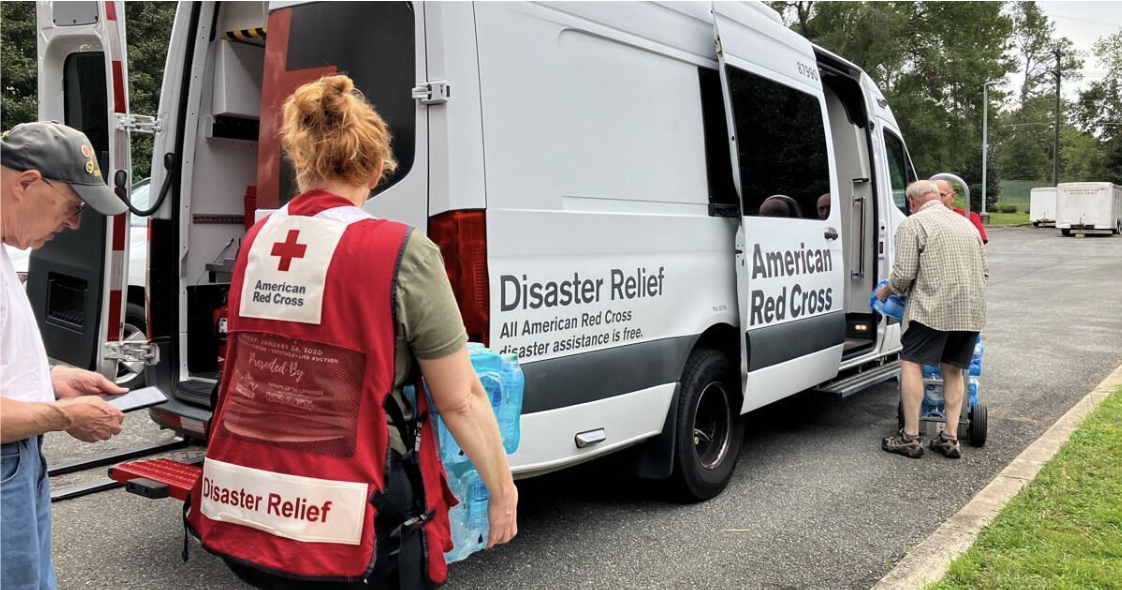
Figure 6 Red Cross disaster relief personnel assisting the community after Hurricane Helene in 2024. Credit: American Red Cross
Other national groups, such as the American Red Cross, the Federal Emergency Management Agency, and the School Social Work Association of America, also support students’ mental health recovery after a hurricane. Sicilian stressed the importance of turning to local churches, the country government, and community mental health providers for more disaster relief information and support.
In the aftermath of a hurricane, many students carry unseen mental health troubles and fears that weigh them down, affecting their routines and motivation. Schools should play a major role in not only rebuilding structures but also rebuilding students’ mental and emotional recovery.
“There needs to be a more balanced and thoughtful way of approaching hurricane preparation,” Dr. Holman said, emphasizing the importance of considering psychological impacts alongside physical safety.
This story was initially edited by News Watch mentor Ashley White.