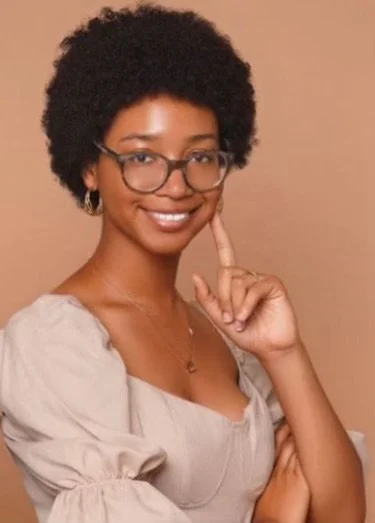
MISS Shifts the Ecosystem of Shark Science
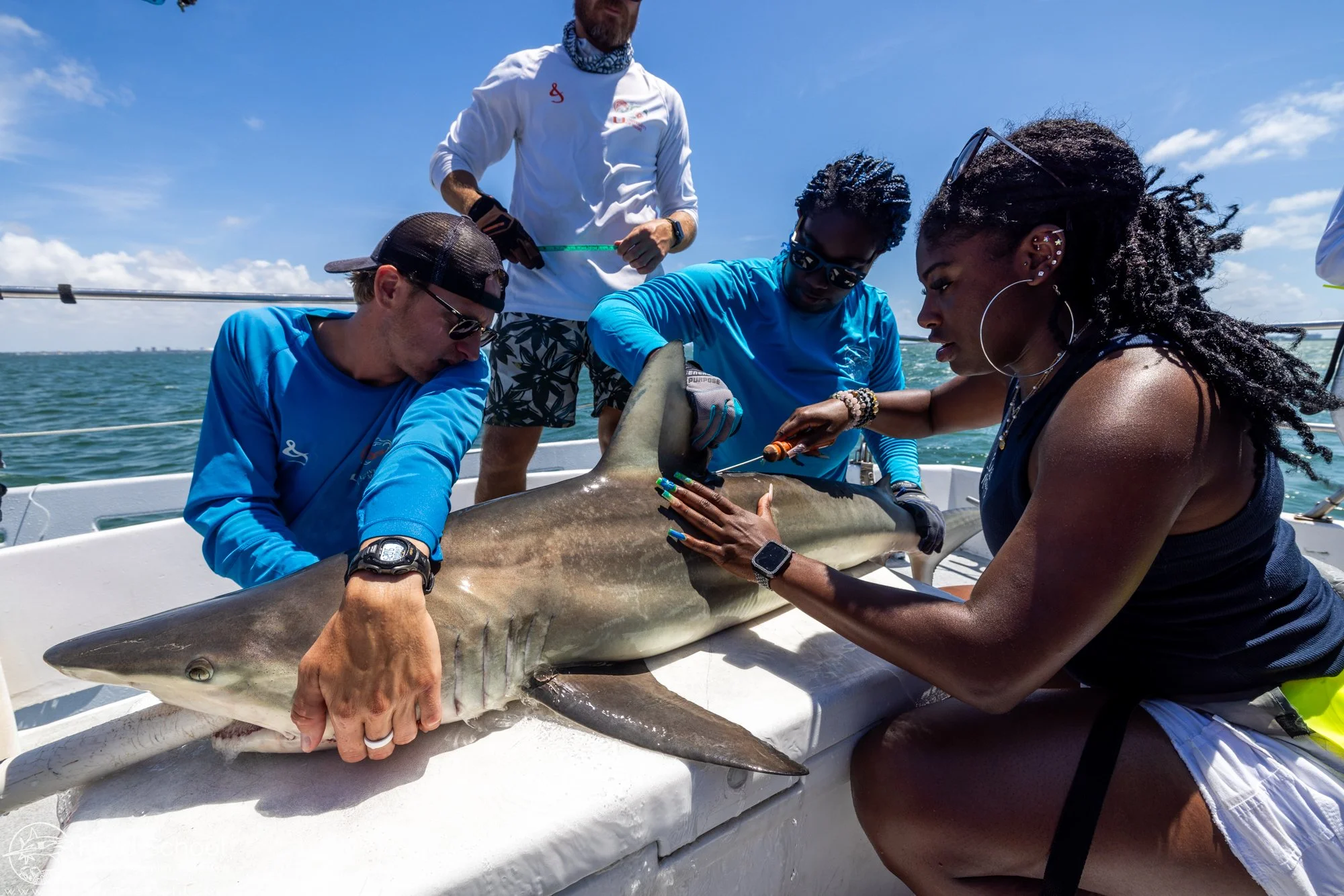
A Minorities in Shark Sciences (MISS) member tags a shark on a research boat in July 2024. Credit: MISS
The program creates a space where women of color thrive as they dive into marine research
For the participants of Minorities in Shark Sciences (MISS), a day out on the ocean looks a little different than a typical lab environment.
Under the guidance of instructors, students take measurements, man equipment, and conduct hands-on field operations. Dedicated to uplifting the next generation of marine scientists, the MISS organization balances the thrill of interacting with sharks with more grounded lessons on marine health and ecology. For many of the organization’s students, this is their first opportunity in a lab environment.
MISS founder Jasmin Graham founded MISS for this reason — to empower minority women in marine and shark sciences with knowledge, experience, and perhaps something even greater: community.
Sharks are essential to marine ecosystems, and learning about them combines lessons on ecology and preservation. MISS is located in Sarasota, Florida, and focuses on the blacktip, bonnethead, blacknose, Atlantic sharp nose, bull and nurse sharks that fill the waters of the greater Sarasota Bay. For Graham, there’s a personal connection to the animals, too – one that mirrors her own life experience.
“They’re misunderstood creatures that play a crucial role in ocean ecosystems,” Graham said. “I relate to them because sometimes, people look at me and their preconceived notions of who I am based on my appearance affect their interactions with me.”
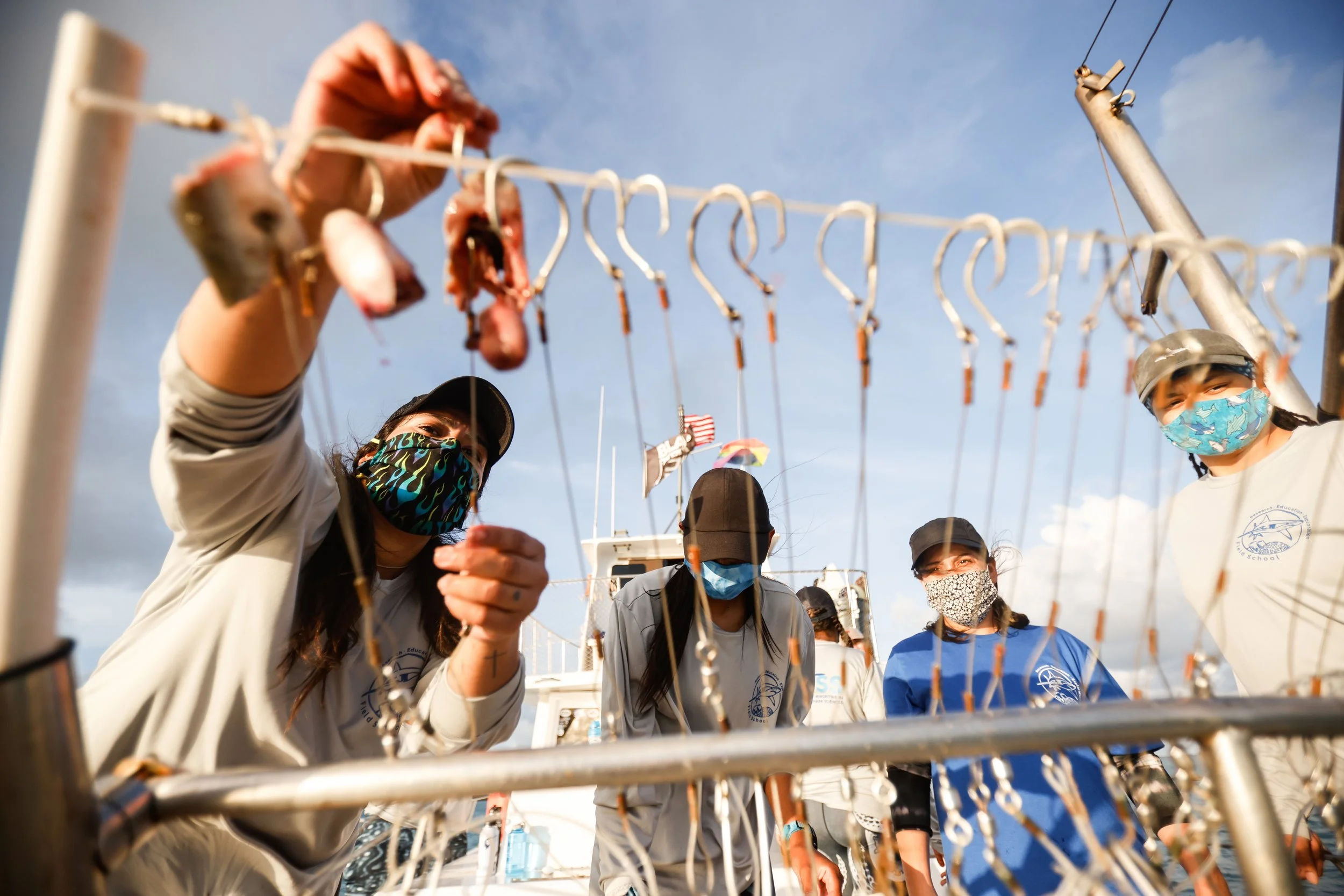
MISS hopes to advance the field of marine science by providing accessible pathways to research, conservation, and education. Credit: MISS
Building careers, one shark tag at a time
Since its founding in 2020, MISS has enabled countless inquisitive ocean enthusiasts to expand their skills.
Brit Lopez, who began her involvement with MISS as an intern, spent a semester conducting her first research project with the organization and tagging sharks, surrounded by people who looked like her.
“Having MISS experience under my belt has given me more confidence to start moving forward within my career, which is to work within the wildlife conservation and education field,” Lopez said. “Working alongside Jasmin and the team has shown me that opportunities can be found just around the corner when you have a good network of people to talk to and learn from.”
Lopez chose to stay with MISS beyond her initial internship and now works as an education and research assistant. She credits the organization for providing her with the skills needed to kickstart her career.
MISS focuses on providing students opportunities in shark and marine science while supporting the interests of their students and interns. Christie Chen, whose background is in theatre, returned to her childhood love for the sea as an artistic intern with MISS.
During Chen’s time as an intern, she dove into the history of women in shark sciences for a research project and was greatly inspired by “The Shark Lady,” Eugenie “Genie” Clark, who founded the Mote Marine Laboratory and made significant contributions to the research on shark behavior.
Drawing a personal connection as an Asian American, Chen sought to make Clark’s legacy more visible. With the support of MISS, Chen combined her love for theatre and newfound respect for marine science to write a play based on the legacy of Clark.
“Career-wise, MISS gave me the space and freedom to fail upwards — so many of the tasks and responsibilities having to do with fieldwork were brand new to me last summer, and being on the boat with three other strong women who knew how to lead with grace allowed me to try scary things, not be afraid to ask ‘stupid’ questions, and also feel confident in not always knowing how to do something,” Chen said.
MISS offers free memberships and allows participants to engage in professional networking and attend conferences at no cost. For Grace Solevilla-Moreno, whose involvement with MISS supplemented her teaching career, this crucially removed the barrier of having to pay for a membership.
As a camp counselor for MISS, Solevilla-Moreno got hands-on experience teaching eager young people about marine science in a non-traditional setting.
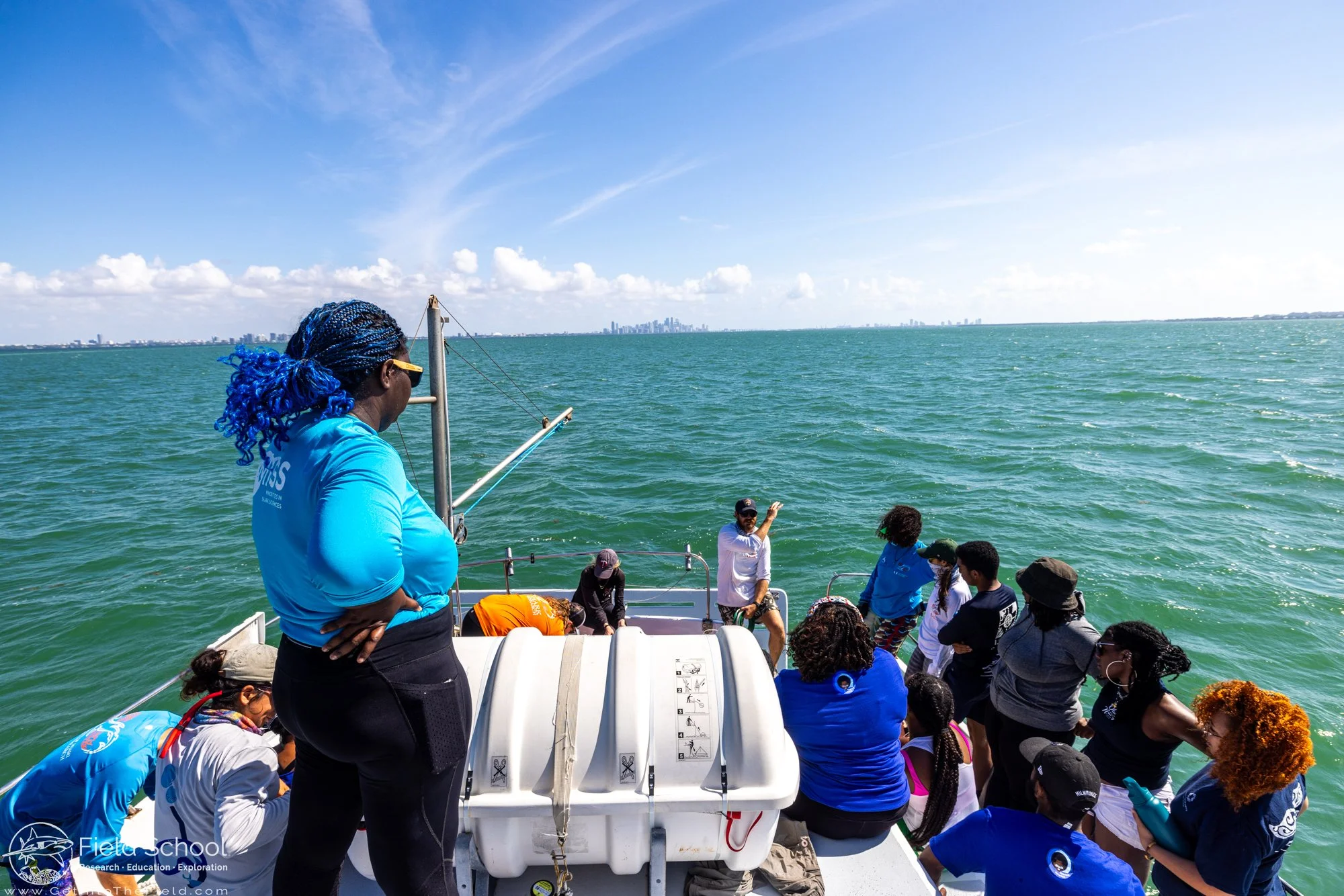
MISS provides a community and funded opportunities for gender minorities of color who wish to enter the field of shark sciences. Credit: MISS
“MISS at its core is about community and access for all. MISS has never shamed me for lacking experience or knowledge,” Solevilla-Moreno said. “I feel welcomed, accepted and valued on a professional and personal level because we all want to see each other win. As a woman of color, I cannot say that all spaces in science are like this.”
MISS’s commitment to enhancing diversity in the field of shark sciences has proven to be a great asset for their community. With every summer camp, shark tagging trip, and research opportunity, the organization is redefining what it means to empower underrepresented groups.
“At MISS, we say diversity in scientists leads to diversity in thought, which leads to innovation,” Graham said. “Representation also matters: when young people see scientists who look like them, they realize they belong in these spaces too.”
Filling in the MISSing gaps
As Graham advanced through school and her career in shark science, she found herself running into the same obstacle over and over again:
“Being a Black woman in shark science often felt isolating. I rarely saw anyone who looked like me in the lab, on research boats, or at conferences,” Graham said. “It made me question whether I belonged and created unnecessary barriers to thriving in the field.”
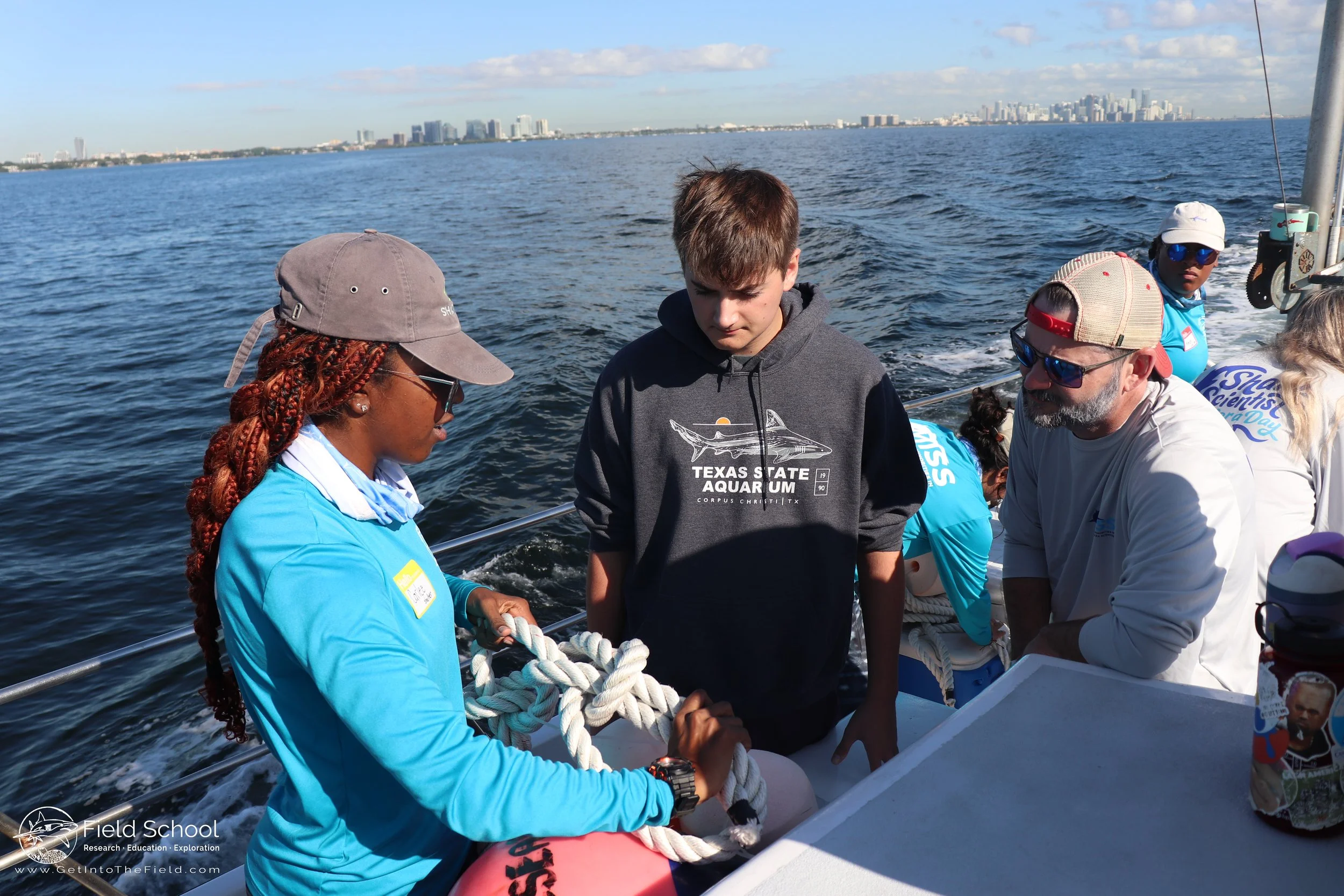
A member of MISS handles a nautical knot during a “Shark Scientist for a Day” trip in December 2024. Credit: MISS
The field of earth, atmospheric, and ocean sciences has historically faced significant challenges related to diversity. According to a 2023 article in the journal “Oceanography,” fewer than 2% of graduate students and 1% of tenured faculty in the field identify as Black or African American women. Black women face the additional challenge of being marginalized on top of the substantial obstacles the fieldpresents to career-seekers.
“Traditional education often overlooks the cultural and financial barriers that minority students face,” Graham said. “MISS addresses those gaps by providing free opportunities, connecting students with mentors who understand their experiences, and highlighting the intersection of marine science with social justice and community issues. We make science relevant and accessible.”
This story was originally edited by News Watch mentor Torsheta Jackson.